
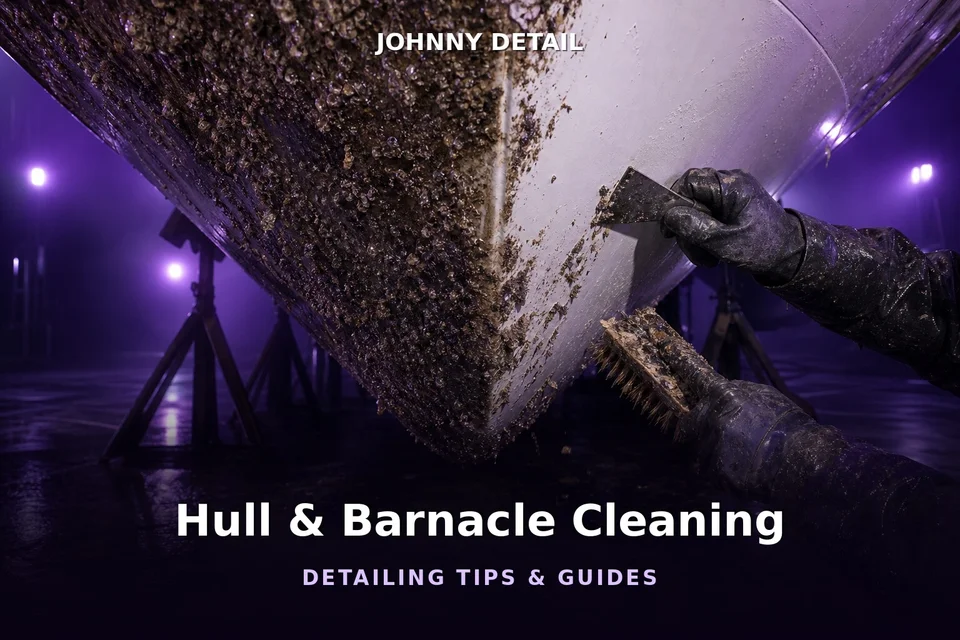
Identify the hull and coating before removing growth
Barnacles and hull film can affect appearance and operation, but removal methods depend on what is beneath the growth. A fiberglass hull may have gelcoat, paint, an antifouling system, previous repairs, or exposed laminate. Aluminum, wood, inflatable materials, and specialty composites require different care. Check the boat and coating manufacturers’ instructions, maintenance records, and marina requirements before choosing a cleaner, scraper, or pressure washer. If the coating cannot be identified, a boatyard assessment is safer than an aggressive test.
Plan the work around environmental controls
Hull cleaning can release paint particles, biological material, cleaner, oil, and other contaminants. Marina, boatyard, and local environmental rules may control where the work can occur, how runoff is captured, and how debris is disposed. A product described as biodegradable or eco-friendly is not automatically permitted for discharge. Read the label and safety data sheet, use the required containment, and ask the facility when rules are unclear. In-water cleaning may be restricted, particularly on antifouling coatings.
Haul-out, blocking, and access beneath a boat are specialized operations. Use a qualified facility and do not work beneath a hull that is not properly supported. Inspect the work area for electrical hazards, slippery surfaces, sharp growth, and adequate ventilation. Wear the protective equipment required by the cleaner, coating, and facility. Barnacles and damaged fiberglass can have sharp edges, so handle debris cautiously.
Assess fouling and coating condition
After a controlled rinse where permitted, inspect representative areas of the hull. Distinguish soft slime and film from firmly attached shell growth. Look for peeling antifouling paint, chalking, blisters, cracks, gouges, exposed fibers, previous patches, corrosion at fittings, and damage near through-hulls. Heavy fouling on a fragile or failing coating may require professional removal. Do not use cleaning to hide evidence of osmosis, impact damage, or a leaking fitting.
Use the least aggressive compatible method
Soft film may respond to a marine cleaner and soft pad approved for the coating. Attached barnacles can require a non-gouging scraper or specialized yard process. Hold tools at an angle and in a manner specified for the surface, and keep them away from transducers, seals, through-hulls, running gear, and delicate edges. Do not substitute a metal blade or harsh abrasive merely because growth is stubborn. A tool that removes the deposit quickly may also remove gelcoat or antifouling paint.
Choose chemical products by the confirmed fouling and surface. Household acids, bleach, and general-purpose cleaners may attack coatings, hardware, or nearby materials. Never mix chemicals unless their labels explicitly allow it. Apply in a small test area, observe the complete reaction and rinse, and stop if the surface softens, changes color, loses coating, or exposes underlying material. Product dwell and neutralization requirements should come from the label, not a generic recipe.

Pressure washing requires system-specific guidance
There is no universal pressure setting that protects every gelcoat and bottom coating. Washer output, nozzle, distance, angle, coating condition, and operator technique all influence the result. Use pressure washing only when the boat, coating, equipment, and facility permit it. Begin with the gentlest effective method in a test area and keep the stream controlled. Avoid directing force at edges, blisters, cracks, decals, seals, transducers, through-hulls, and failing paint.
Watch the runoff and the surface together. If colored coating, chips, fibers, or unusual residue appears, stop immediately and have the hull assessed. Do not continue until a broad area looks evenly stripped; that may turn cleaning into an uncontrolled coating-removal job. Antifouling preparation and recoating should follow the coating manufacturer’s documented system and local rules.
Rinse, dry, and inspect the clean hull
Remove cleaner residue as directed and allow the surface to dry enough for inspection. Use angled light to look for dull patches, scratches, cracks, pinholes, blisters, exposed laminate, and uneven coating. Inspect fittings and hardware for corrosion or disturbed sealant. A marine repair professional should evaluate structural cracks, widespread blistering, deep gouges, exposed fibers, or questionable through-hulls before protection or launch.
Choose post-clean care for the actual surface
Wax or sealant may be appropriate for some above-water gelcoat, but it is not a universal bottom-hull treatment and should not be applied over antifouling systems unless the coating maker permits it. Follow the boat and coating guidance for polishing, barrier coats, antifouling paint, and maintenance. Do not claim that a cosmetic product will prevent water intrusion or replace a damaged coating. Keep records of the products used and the areas repaired so future maintenance begins with known information.
Fouling rates vary with water, storage, use, and coating, so inspection should guide maintenance rather than an invented haul-out calendar. Johnny Detail’s boat detailing services and boat detailing article collection provide related care context. For teak and fabric above the hull, see the teak deck and bimini canvas guides.
Hull Bottom Cleaning: Eco Barnacle Removal Without Gelcoat Damage FAQ
- What should I identify before cleaning a boat hull?
Confirm the hull material and whether gelcoat, paint, or an antifouling system is present. Follow the boat and coating makers’ care instructions before choosing tools or chemicals.
- Can household cleaner be used for hull growth?
Use only a cleaner labeled for the confirmed hull or coating and for the type of fouling present. Follow marina rules and local requirements for runoff, collection, and disposal.
- What pressure setting should I use on gelcoat?
There is no universal setting for every hull and coating. Follow the boat, coating, and washer instructions, begin with the gentlest permitted method, and test a small area.
- How should attached barnacles be removed?
Use a non-gouging tool and method approved for the hull system. Heavy growth, antifouling paint, or signs of coating damage are reasons to ask a boatyard for help.
- What signs suggest professional hull assessment?
Cracks, blisters, exposed laminate, widespread chalking, coating loss, or deep gouges merit evaluation by a qualified marine repair professional before further cleaning or refinishing.
Manufacturer resources
Select the instructions matching your vehicle, material, and model year. These manufacturer resources provide care information for the brands and surfaces they cover.



Comments