

Evaluate the teak deck before choosing a finish
Teak oil and sealer can change a deck’s color, surface feel, and maintenance needs, but neither choice begins with a bottle. First identify the deck construction, teak thickness, caulking system, existing finish, and any repairs. Solid planks, veneer, synthetic teak, and teak-faced panels are not maintained the same way. Consult the boat builder, deck installer, or material manufacturer when records are incomplete. A finish that looks attractive on furniture may be unsuitable for a walked marine deck where traction, seams, and drainage matter.
Separate weathering from damage
Unfinished teak commonly changes color with exposure, while dirt and biological growth can darken or spot it. Color alone does not show whether the wood is damaged. Inspect for loose planks, raised grain, deep cracks, soft areas, failed caulking, popped fasteners, thin veneer, and water entering beneath the deck. Pressing harder with a brush or sander can remove valuable wood without correcting those problems. A marine carpenter should assess structural movement, widespread seam failure, or a deck that is already thin.
Check drainage and hardware before cleaning. Blocked scuppers, leaking fittings, and standing water can keep areas damp regardless of the finish used. Photograph seams and suspect repairs so changes can be monitored. If the boat or deck carries written maintenance requirements, review them before using cleaners, brighteners, oil, sealer, or abrasives. Do not assume that a product described as marine automatically meets a specific builder’s requirements.
Understand what teak oil changes
A teak oil system typically emphasizes a richer, freshly finished appearance and penetrates or wets the surface to a degree determined by its formula. Products can differ in pigments, solvents, resins, and additives. That affects color, odor, application, and future preparation. Oil does not repair cracks or stop deck movement, and excess product can remain tacky, attract dirt, or create an uneven surface. Choose a product labeled for walked marine teak, not simply for indoor furniture or decorative trim.
Maintenance depends on exposure, washing, use, and the exact formula. Follow the product maker’s inspection and reapplication guidance rather than a fixed seasonal schedule. Before adding more oil, determine whether the deck needs cleaning or whether old residue is interfering. Repeated heavy applications can complicate a later switch to another system.
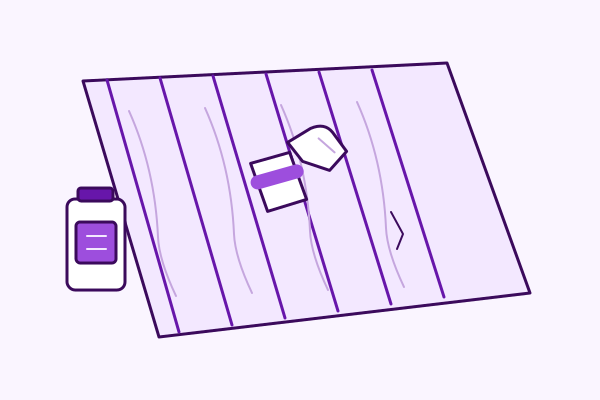
Understand what a teak sealer changes
Teak sealers also vary. Some are penetrating treatments, while others create more of a surface film or include pigment. Compare appearance, slip or traction information, compatibility with seams, preparation, spot-repair options, and removal requirements. A longer advertised service interval is not a guarantee for every saltwater deck. A sealer can wear unevenly in traffic lanes and around hardware, so consider how those areas will be maintained.
A product that forms an unsuitable film can become patchy or slippery and may be difficult to renew. Test the complete process on a hidden or representative area and inspect it wet and dry. Use only systems whose makers address exterior marine decks. Do not apply a generic clear coating over teak or caulking without documented compatibility.

Clean with the grain and preserve material
Remove loose grit gently before wet cleaning. Use a teak cleaner approved by the deck and finish makers, and manage runoff under marina and local rules. Avoid mixing bleach, acids, alkaline cleaners, brighteners, and household products. If a two-part system is specified, follow that manufacturer’s sequence and safety directions exactly rather than improvising ratios.
Use soft tools and controlled strokes with the grain where the care guide recommends it. Aggressive cross-grain scrubbing and pressure washing can erode softer wood, raise grain, and damage caulking. There is no universal pressure setting for teak. Use powered washing only if the boat and deck maker permit it, with a conservative test and close monitoring. Rinse residue without flooding seams or nearby compartments.
Approach sanding as material removal
Sanding may be part of an authorized restoration system, but it permanently removes wood and can alter caulking, fasteners, edges, and deck geometry. Do not sand automatically when switching from oil to sealer. The new product maker may call for a compatible cleaning or stripping process instead. If sanding is needed, assess teak thickness, use dust controls and protective equipment, and keep the deck uniformly supported. Thin veneer, proud fasteners, or moving seams are reasons to involve a marine carpenter.
Apply oil or sealer as a complete system
Let the cleaned deck reach the surface condition specified by the product. Mask compatible adjacent materials when required and protect hardware, painted surfaces, and nonskid areas from residue. Apply only the amount and number of coats stated by the maker, respecting ventilation, weather, cure, and wipe-off directions. More product does not necessarily improve protection. Manage used applicators and oily materials under the label’s storage and disposal warnings.
If switching systems, confirm that prior oil, sealer, cleaner, and caulking are compatible. Perform an adhesion and appearance test before treating a large area. Keep a record of the products used so future maintenance does not depend on guesswork. Consult the boat, deck, and finish manufacturers before changing systems; do not rely on generic assurances about do-it-yourself care.
Maintain the deck by inspection
Rinse and clean as the boat and finish makers direct, keep drainage open, and inspect high-traffic zones, seams, and hardware. Renew treatment based on the documented system and observed wear. Stop if the deck becomes slick, the coating peels, seams lift, or wood fibers are being lost. Johnny Detail’s boat detailing services and boat detailing articles provide broader context. The bimini canvas guide covers another marine material that also requires manufacturer-specific care.
Teak Deck Restoration: Oiling vs Sealing for Saltwater Durability FAQ
- How should I choose between teak oil and sealer?
Consider the boat and deck maker’s guidance, the desired appearance, traction needs, existing finish, and maintenance expectations. Choose a system labeled for marine teak decking.
- When does a teak finish need renewed attention?
Inspect the surface and follow the finish maker’s maintenance directions. Changes in appearance or water behavior can prompt a closer check, but they do not establish a universal reapplication schedule.
- Can I switch from teak oil to a sealer?
Only after checking compatibility and the new system’s preparation requirements. Existing oil or cleaner residue may affect adhesion, so test a small area and do not assume sanding is required.
- Could DIY teak care affect warranty coverage?
Consult the written boat, deck, and product warranties before changing finishes or using an unfamiliar process. The manufacturer or dealer can clarify requirements for the specific vessel.
- When should aggressive cleaning or sanding be avoided?
Both can remove teak, change texture, or damage seams and caulking. Begin with the least aggressive maker-approved method and consult a marine wood specialist for thin or damaged decks.
Manufacturer resources
Select the instructions matching your vehicle, material, and model year. These manufacturer resources provide care information for the brands and surfaces they cover.




Comments